If you're selling a property
What is the Process
for Selling a Home
Selling a home is a major financial and emotional decision. Whether you're upgrading, downsizing, or moving for a new opportunity, understanding the process can help you maximize your home’s value and ensure a smooth transaction. Here’s a structured guide to selling your home successfully.
Evaluating
Your Home’s Value
Before listing, determine your home’s market value by considering:
Recent sales of similar properties in your neighborhood
The condition and unique features of your home
Current real estate market trends (buyer’s vs. seller’s market)
A real estate agent can provide a comparative market analysis (CMA) to help set a competitive asking price.
Preparing Your Home
for Sale
First impressions matter. A well-presented home attracts more buyers and better offers. Steps include:
Decluttering and depersonalizing – Remove excess furniture and personal items to make the space feel open and inviting.
Repairs and touch-ups – Fix minor issues like leaky faucets, chipped paint, or outdated fixtures.
Staging and curb appeal – Professionally staged homes often sell faster. Boost curb appeal with fresh landscaping and a clean entryway.
Listing and Marketing
Your Home
To attract the right buyers, your home needs maximum exposure. The listing process includes:
Professional photography – High-quality images make a strong impact in online listings.
Writing a compelling description – Highlight unique features and upgrades.
Marketing strategy – Your agent will list the property on the MLS, real estate websites, social media, and possibly host open houses.
Setting
the Right Price
Pricing too high can discourage buyers, while pricing too low may leave money on the table. A competitive price:
Reflects market conditions and recent comparable sales
Generates interest from multiple buyers
Helps secure offers quickly without prolonged negotiations
Receiving and Negotiating
Offers
Once buyers start submitting offers, you’ll need to review them carefully. Consider:
Offer price – Is it competitive with your listing price?
Contingencies – Common ones include financing, home inspections, and appraisal conditions.
Buyer’s financial strength – A pre-approved buyer is more reliable.
Your agent will help negotiate terms to get the best deal possible.
Home Inspection
and Appraisal
After accepting an offer, the buyer will conduct a home inspection. Be prepared for:
Repair requests or negotiation of seller credits
An appraisal ordered by the buyer’s lender to confirm the home’s value
If issues arise, you may need to renegotiate or adjust the sale price.
Closing
the Sale
As closing day approaches, final steps include:
Signing legal documents to officially transfer ownership
Covering closing costs (typically including agent commissions and any agreed-upon seller concessions)
Moving out before the final walkthrough by the buyer
Once everything is finalized, you’ll receive your proceeds, and the home is officially sold!
Transitioning to
Your Next Home
After selling, you might need to:
Secure temporary housing if you haven’t purchased a new home yet
Coordinate your moving timeline
Settle outstanding home-related expenses (utilities, HOA fees, etc.)
Selling a home can feel overwhelming, but with the right guidance, it can be a seamless and profitable experience. If you're considering selling, reach out for expert advice and personalized support.
House
Flipping
Are you planning to improve a house?
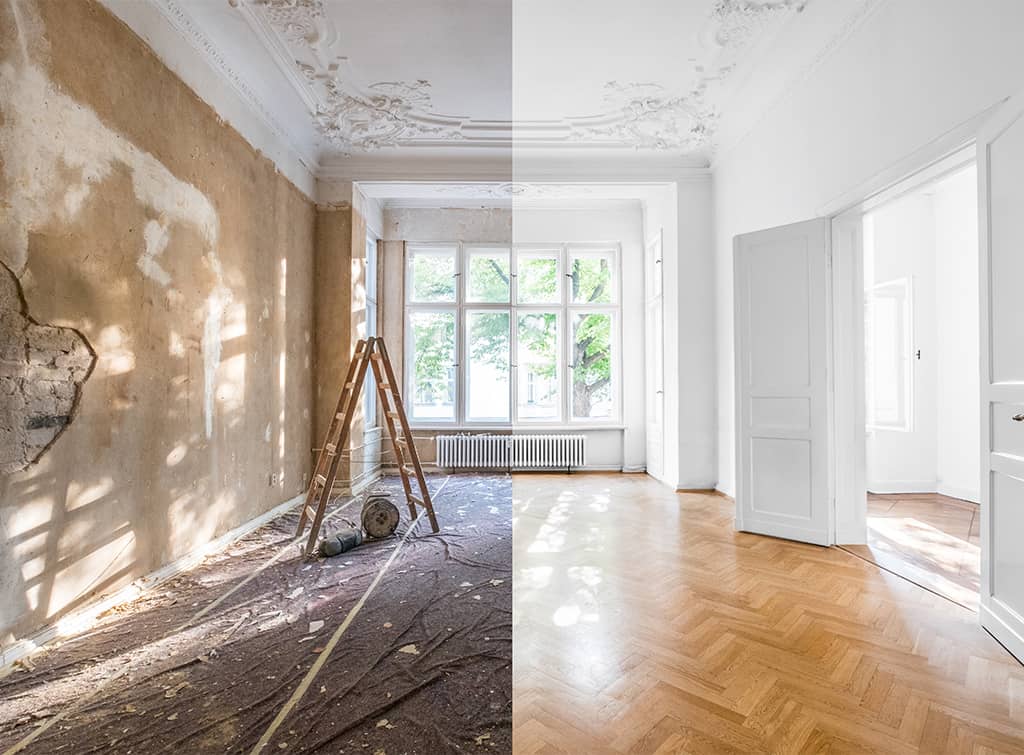
Buying or selling, you could benefit from house renovation. It can make home sale value better, make your property more appealing to potential buyers and result in better offers coming sooner.
If you just got your new home, you could renovate it to make it better suit your style and needs.
See how I can help with house flipping.
Read more